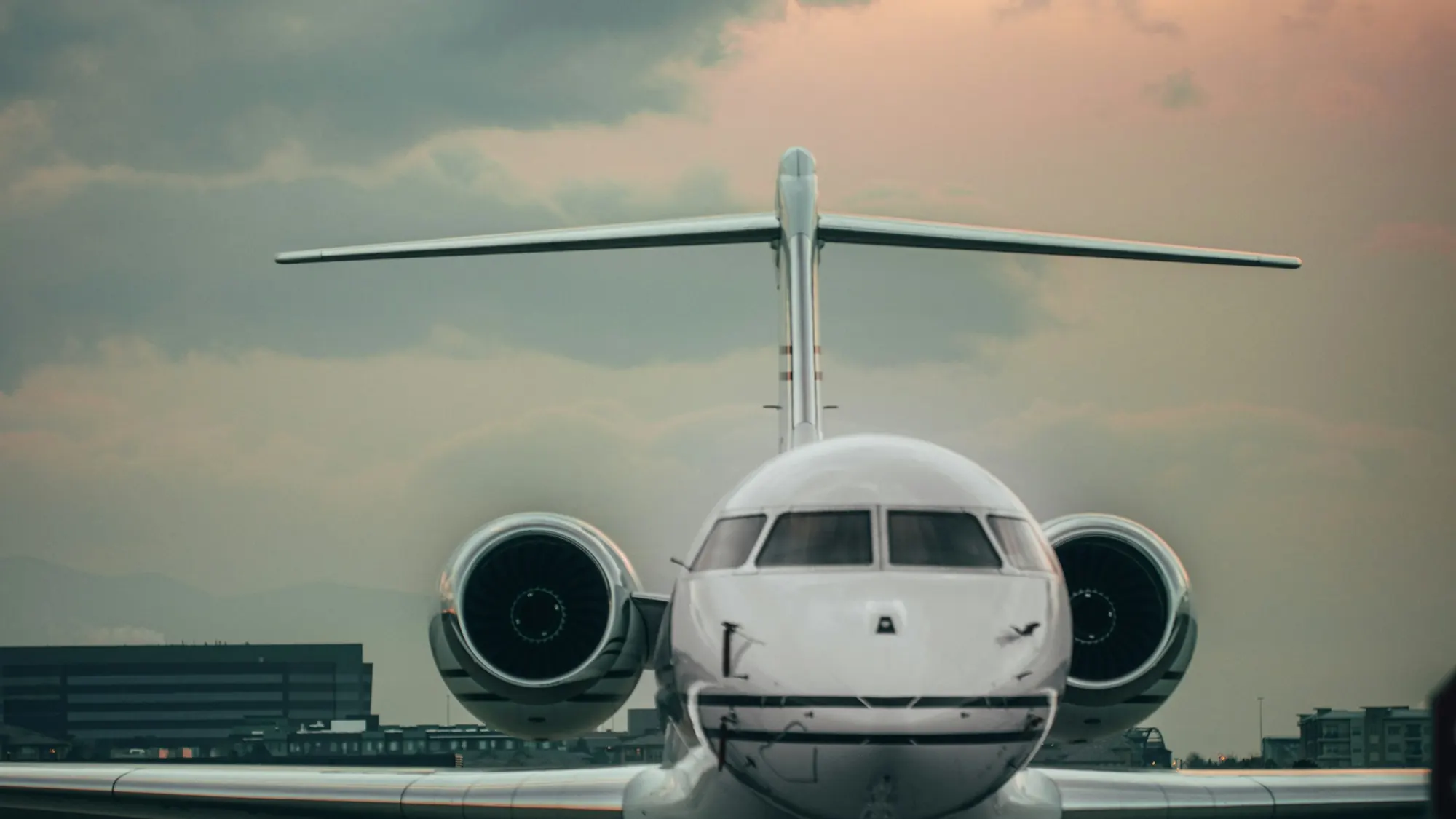
Semi-private flights feel informal: a private terminal, a short walk to a small aircraft, a quick departure. The rules behind them are anything but casual. Each service sets its own policies on baggage, pets, check-in and changes, and they are closer to an airline’s than many first-time travellers expect. Here is what to check before you buy a seat, and how the same questions work on a private charter.
Baggage
Because you share the aircraft, you share the hold. Services set an allowance per seat, typically a carry-on plus one or two checked bags within weight and size limits, and charge for or refuse anything beyond it. Smaller aircraft are especially sensitive to weight, so heavy bags may be limited even when they would fit.
Oversize items are where trips go wrong. Skis, golf clubs, bicycles and large hard cases may need advance notice, may carry a fee, or may not fit the aircraft at all. Soft bags pack more easily than rigid ones, and declaring unusual items when you book avoids an awkward conversation at check-in.
On a private charter, the hold belongs to your group. Its size depends on the aircraft, so your advisor checks your list against it before offering an aircraft, and steps up a class if the bags call for it. Many super-midsize jets have holds you can reach during the flight.
Pets
Pet policies vary more than any other rule. Many services accept small dogs and cats in carriers, usually for a fee and with a cap on the number of animals per flight, so spaces can run out. Some allow larger dogs under conditions, and some do not accept them at all. Service animals are handled under their own rules. If you travel often with a pet, ask whether the service needs the animal’s documents before the day.
On a charter, many operators accept pets with approval, including larger dogs travelling in the cabin with you. The conditions are agreed with the operator in advance, and international trips need the health documents the destination requires.
Check-in and boarding
Expect a short check-in window before departure with a firm cutoff, after which you will not be boarded. Identification is checked, bags are weighed and some form of screening takes place, lighter than airline security but real. Depending on the service, seats may be assigned or open.
On a charter, you arrive at the private terminal shortly before your departure time, and the aircraft leaves when your group is ready, within reason and within the crew’s duty limits.
Seats and space
Some shared services assign seats in advance, while others board in order of check-in. If you are travelling together, check how seats are allocated and whether you can choose them. On a charter, the cabin is yours, and seating is simply a matter of where each person likes to sit.
Changes, cancellations and disruptions
Semi-private fares follow the seller’s rules. Some allow changes for a fee, some offer credit and few refund freely. If a flight is cancelled for weather or a technical problem, the service usually moves you to its next available flight, which may not be on the same day.
On a charter, changes and cancellations follow your charter agreement, which sets out fees and deadlines before you sign. If the aircraft develops a problem, the operator or broker looks for a replacement aircraft rather than a later flight.
| Topic | Semi-private seat | Private charter |
|---|---|---|
| Bags | Per-seat allowance; oversize limited | The whole hold, checked against your list |
| Pets | Small pets common; large dogs limited | Many operators accept larger dogs with approval |
| Check-in | Short window with a firm cutoff | Arrive shortly before; flexible within reason |
| Timing | A fixed timetable | Your schedule |
| Disruptions | Moved to the next flight | A replacement aircraft is sought |
| Changes | The seller’s fare rules | Your charter agreement |
Identification and screening
Expect to show government-issued photo identification at check-in. Rules on prohibited items still apply, and some services screen bags and passengers with equipment much like an airport’s. Allow a few minutes for it, and pack as carefully as you would for any other flight.
Food and drink
Service on short shared flights is usually simple: a drink and a snack, sometimes nothing at all. On a charter, catering is arranged to your order before the flight and shown in the quote, from a light breakfast to a full meal on longer trips. Dietary needs and allergies are easier to handle when the menu is built for your group alone.
Arriving at the other end
On arrival, bags are usually handed over at the aircraft or in the terminal within minutes, and onward transport is yours to arrange unless the service offers it. On a charter, a car can often meet you at the aircraft where the airport allows it, and your advisor can book it with the flight.
Children
Policies on infants, car seats and children travelling alone differ from service to service, so ask before booking. On a charter, family needs such as car seats, cots or particular meals are arranged with the operator ahead of the flight.
Who you are dealing with
With a seat, the company selling it and the carrier flying it may be different businesses, and the booking terms should name both. With a charter, your agreement names the operating carrier and the aircraft before you commit, and your advisor remains your single point of contact.
Before you book a seat: a checklist
- Read the baggage policy, including oversize items and weight limits.
- Check the pet policy and how many animals each flight allows.
- Note the check-in time and the cutoff.
- Understand the change, cancellation and disruption rules.
- Confirm who sells the seat and who operates the flight.
If any of the answers does not work for your trip, a private charter may be the better fit. Send us the trip and we will quote it all-in, or tell you plainly if a seat still makes more sense.
Seat or whole jet?
Send the trip and get an all-in charter quote, or an honest steer toward a seat.